
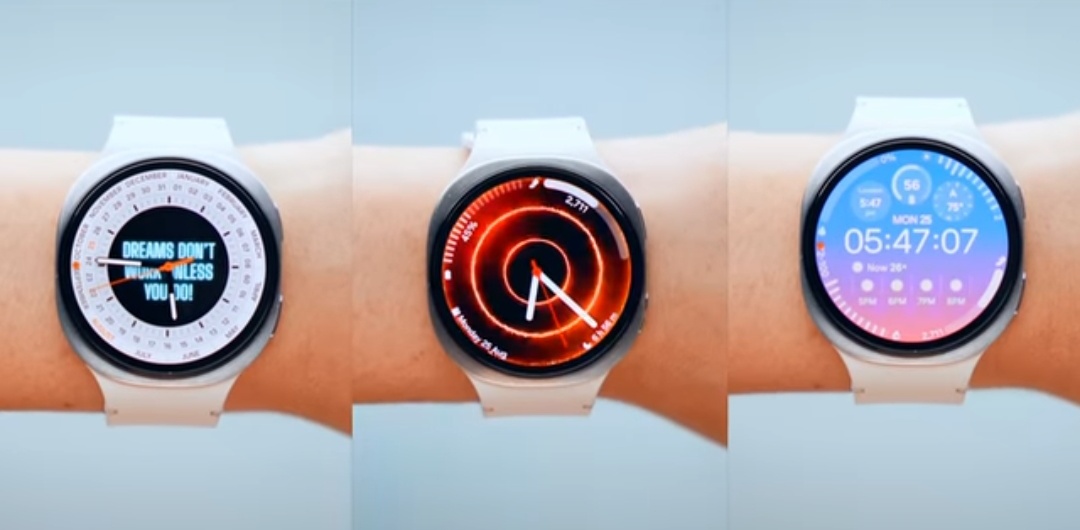
Here’s the thing: I don’t usually expect much from a smartwatch. Count my steps, nudge me to stand up, maybe let me swipe away a text while I’m pretending to listen in a meeting—that’s usually the extent of my relationship with these wrist-bound gadgets. But the Samsung Galaxy Watch 8? It came at me like an overachieving personal trainer who also moonlights as a health guru and occasionally a fashion consultant. And, annoyingly, it kind of works.
I strapped it on two weeks ago, and since then it has tracked my runs, my sleep (or lack thereof), my stress levels, and even how much water I should be drinking (spoiler: it’s more than coffee). It hasn’t quite replaced my therapist, but it did call me out for my sedentary Saturday Netflix binge—and it was right.
Living With the Galaxy Watch: Everyday Life on the Wrist
The first test for any smartwatch is whether it feels like something I want to wear all day, not just during workouts. The Watch 8 nails that part. Slimmer and lighter than its predecessor, it sits on my wrist without feeling like I’m wearing a miniature smartphone. The screen is big, bright, and punchy, even under direct sunlight. I checked my pace during a noon jog without squinting like a mole emerging from a cave, which is a first.
I used it everywhere—at the gym, on a flight, and even while cooking. During a HIIT session, the watch handled rapid heart-rate spikes without skipping a beat (literally). On a red-eye flight, it politely told me that my sleep score was terrible—thanks, I guess. While I was making pasta, it buzzed to remind me I’d been standing for too long and should hydrate. (At this point, I half expect it to ask me about my life goals.)
The surprising part? It actually makes me want to move more. Those little nudges—stand reminders, step challenges, even the occasional celebratory animation—are goofy but motivating. It’s like having a slightly overenthusiastic friend on your wrist, but one who doesn’t flake out.
How the Tech Works (Without the Geek Speak)
At its core, the Samsung Galaxy Watch 8 is built around upgraded sensors that track everything from heart rate to skin temperature to oxygen levels. That sounds like medical jargon, but in practice, it means the watch is constantly checking in on how your body’s doing.
For workouts, the GPS locks on fast, the step counts match what I’d expect, and the heart-rate monitoring feels accurate—at least as accurate as the treadmill’s (and I trust the watch more). Sleep tracking is where things get interesting: it breaks down light, deep, and REM sleep cycles, then scores your night with a blunt honesty that my mom would approve of.
Battery life is solid. With always-on display enabled, I squeezed about a day and a half. Turn that off, and you can stretch to nearly three days. Charging is quick enough that topping up during a shower gets you through the rest of the day.
Quirks and Frustrations
No device is perfect, and the Watch 8 has its quirks.
First, fitness tracking sometimes feels… overzealous. I was chopping vegetables, and it proudly logged it as “vigorous activity.” Sorry, Samsung, but unless carrots fight back now, that’s not a workout.
Second, the app ecosystem still feels limited compared to Apple’s. You’ll find the basics—Spotify, Strava, Google Maps—but if you’re chasing niche apps, the cupboard’s a bit bare.
And then there’s the size question. While it’s lighter, the watch face is still chunky if you’ve got smaller wrists. Mine can pull it off, but I can imagine it feeling like a dinner plate for some.
Oh, and let’s talk about sleep tracking honesty. I don’t need a device that greets me with: “Your sleep efficiency was 64%.” Thanks for the shame spiral, buddy.
How It Stacks Up Against Rivals
Compared to the Apple Watch Series 9, Samsung’s offering feels more adventurous with health data but a little behind in seamless app support. Apple still wins on integration if you’re in its ecosystem, but the Galaxy Watch plays nicer with Android phones across the board.
Versus its own predecessor, the Galaxy Watch 7, the Watch 8 refines rather than reinvents. The sensors are more accurate, the design sleeker, and the battery life slightly better. It’s not a revolution, but the polish is noticeable in everyday use.
And then there’s Fitbit—great for casual users, but the Watch 8 just does more. It’s not just counting steps; it’s interpreting them, contextualizing them, and occasionally bossing you around about them.
Who the Samsung Galaxy Watch 8 Is Really For
If you’re a fitness enthusiast who loves data, you’ll adore this thing. It goes beyond “you walked 10,000 steps” and tells you what those steps mean for recovery and performance. If you’re health-conscious, the temperature and stress tracking features feel surprisingly insightful.
If you’re a casual user, though, it might feel like overkill. You might not care about your “body composition analysis” on a Tuesday morning. And if you’re already locked into Apple’s world, switching ecosystems just for this watch isn’t worth the hassle.
But for Android users looking for the best all-around smartwatch, it’s hard to beat. The Watch 8 manages to be useful without feeling intrusive, stylish without being gaudy, and smart without requiring a PhD to use.
Final Thoughts
After two weeks, the Samsung Galaxy Watch 8 feels less like a gadget and more like a companion—one that occasionally nags but usually helps. It doesn’t just track your health; it tries to improve it, sometimes aggressively, but often with a charm that works.
Is it worth buying? If you’re an Android user who wants a smartwatch that balances style, health tracking, and practicality, yes. If you’re deep into Apple gear, stay put. For everyone else, this is the most well-rounded smartwatch Samsung has ever made.
My lasting impression: the Watch 8 is a coach, a cheerleader, and a slightly judgmental friend all strapped onto your wrist. And somehow, I’m okay with that.